

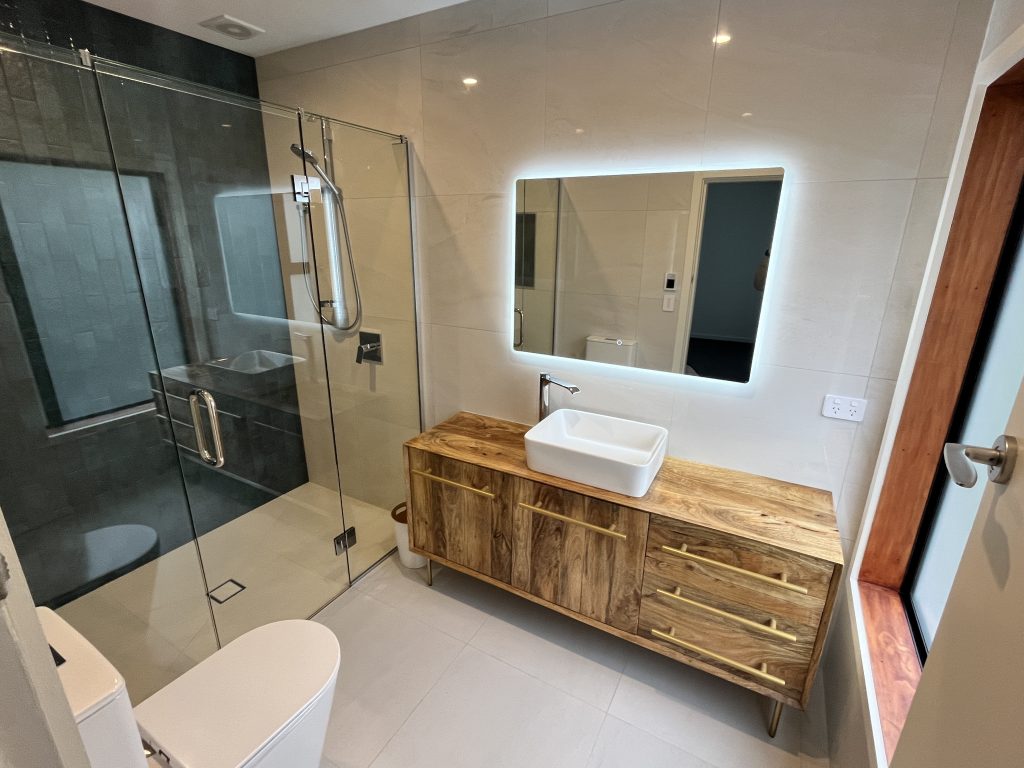
Renovating your home is an exciting step, but it can also be one of the most stressful, especially when it comes to budgeting. Many homeowners begin with a clear plan, only to face unexpected costs that disrupt timelines and increase financial pressure.
This article outlines the key costs to expect, the hidden expenses that commonly arise, and practical tips to help you plan a renovation budget that’s realistic, flexible, and stress-free.
Understanding the Core Renovation Costs
Every renovation project is built around four main cost categories. Understanding these will give you a clearer picture of where your money is going and where you have the most control.
1. Materials
As of the last 5 years, materials typically make up the largest portion of the budget. From flooring and fixtures to framing timber and insulation, materials can vary widely in price. Cheaper materials may look budget-friendly upfront but can lead to more replacements or repairs over time. Mid-range materials often provide the best balance of longevity and cost.
2. Labour
Labour is typically the second biggest cost for renovation. Skilled tradespeople, builders, electricians, plumbers, and project managers all contribute to the final labour cost.
3. Consents
Depending on the nature of your renovation, you may require consent. Consent fees are usually the smallest portion of the core budget, especially when no significant plumbing or structural changes are involved.
4. Design
Design fees cover architectural plans, engineering requirements, and any specialist input. Design choices can significantly influence your final cost. For example, choosing a vaulted ceiling over a standard flat or suspended ceiling may require additional engineering and structural work.
Where Renovation Costs Can Increase
While the four core costs provide a budgeting foundation, some choices can increase expenses:
- Moving or adding plumbing lines
- Opting for complex design elements
- Selecting premium finishes over mid-range alternatives
Your material choices, in particular, can have the largest impact on your final budget.
Common Hidden Costs to Be Aware Of
Even with strong planning, many renovations uncover surprises. Here are the hidden costs homeowners are most often unprepared for:
1. Structural Discoveries
Older homes may contain issues such as:
- Rotted framing
- Outdated wiring
- Asbestos (which requires mandatory removal in New Zealand)
These problems often only become visible once demolition begins.
2. Temporary Accommodation & Storage
Most people prefer not to live in a construction zone for several months. Costs can include:
- Short-term rental accommodation
- Storage for furniture and household items
These expenses can add up quickly if not budgeted for beforehand.
3. Mid-Project Changes
No renovation goes exactly to plan. Examples of unplanned costs include:
- Flooring that doesn’t suit the existing foundation
- Additional demolition due to unforeseen structural issues
- Design alterations
- Standard human error adjustments
Some changes are minor, others significant – but changes should always be expected.
How to Budget More Effectively
From our experience at Rise Residential, clients who follow these strategies have a smoother, more financially predictable renovation:
1. Add a 10–15% Contingency
We always advise our customers to add a 10-15% contingency to our estimates to allow for the unpredictable nature of renovations. If your builder hasn’t added one, be sure to include it yourself.
2. Request a Detailed Scope of Work
You should receive:
- A clear project outline
- Timeline expectations
- Payment milestones
This not only improves communication but also helps you align your financial planning or bank requirements.
3. Gather Multiple Quotes
Most reputable builders recommend getting two to three quotes. This allows you to:
- Understand the industry standard
- Identify unusually high or low pricing
- Choose the builder who best aligns with your values and approach, not just the cheapest option
Long-Term Value vs. Immediate Cost
While it may be tempting to choose the cheapest materials to reduce your upfront cost, this can backfire in the long run. In high-use areas — such as kitchens, bathrooms, and living spaces, investing in slightly higher-quality materials often means fewer repairs, greater durability, and better performance.
Areas worth investing in include:
- Moisture-resistant bathroom materials
- Quality insulation
- Durable flooring in busy areas
- Frequently used fixtures (e.g., kitchen tapware)
Choosing where to splurge and where to save will make your renovation more cost-effective over the long term.
Conclusion
Successful renovations rely on thoughtful planning, flexible budgeting, and realistic expectations. The more prepared you are for potential surprises and cost changes, the smoother and less stressful your renovation journey becomes.
At Rise Residential, we offer free in-person estimates and are always available to answer questions. If you’re considering a renovation, extension, or home upgrade, our team is here to help you plan with confidence.